
WELCOME BONUS 200%
UP TO €1500 + 200
FREE SPINS
UP TO €1500 + 200
FREE SPINS
Home → Blackjack
Blackjack at Ggbet: Variants, Rules and Payouts
Mobile version needs 1 Mbit bandwidth
The mobile platform requires a stable internet connection with at least 1 Mbit bandwidth to ensure smooth gameplay without interruptions or lag during high-stakes sessions. This minimum threshold is critical for maintaining the real-time synchronization of live dealer tables and instant bet placements on large screens. Users with slower connections may experience delayed card reveals or failed transaction attempts, which can disrupt the flow of high roller strategies.
Infinite Blackjack from Evolution supports this bandwidth requirement by streaming high-definition video feeds that demand consistent data throughput for uninterrupted viewing. The game accommodates unlimited players at the table while maintaining low latency, ensuring that bet limits up to 5,000 EUR are processed instantly. Without sufficient speed, the visual quality degrades, making it difficult to track side bets like Any Pair or Hot 3 accurately.
Quantum Blackjack Plus Live by Playtech also relies on robust connectivity to deliver quantum multipliers up to 1,000x on three-card combinations effectively. The dynamic graphics and instant result calculations require more processing power and data than standard slots, pushing the 1 Mbit limit to its maximum capacity. Players seeking the full immersive experience must verify their network stability before joining high-limit tables to avoid disconnections during critical hands.
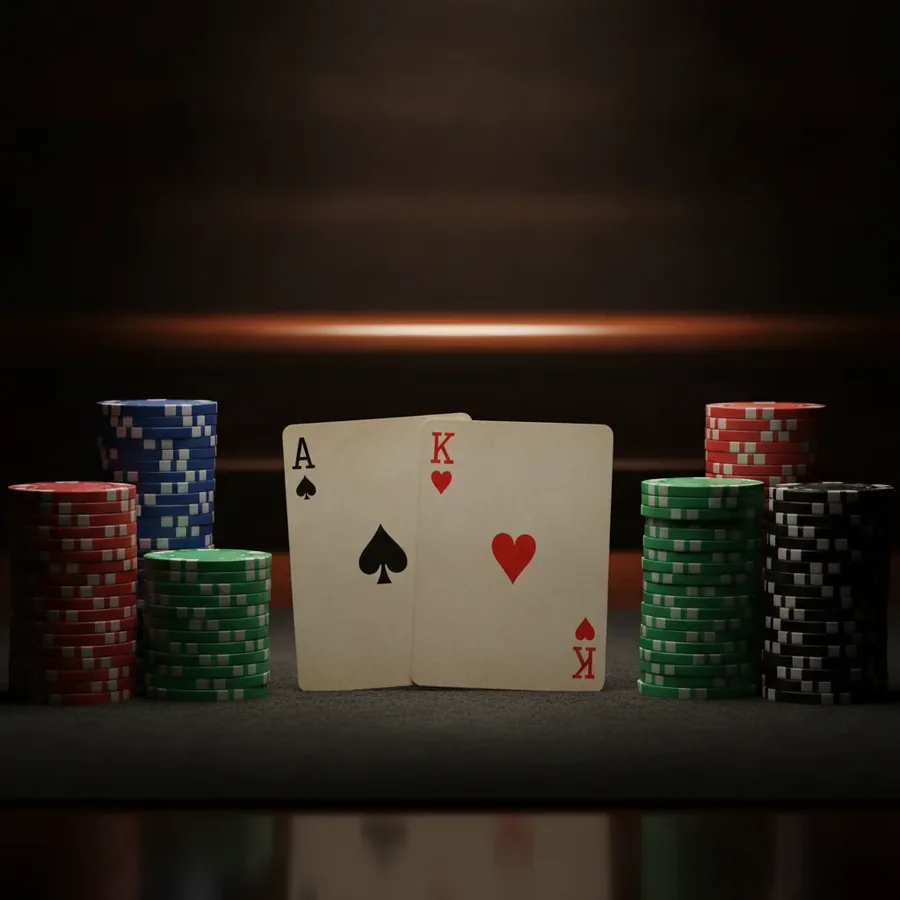
What doesn't count as Blackjack after Split?
When a player splits Aces, most rules dictate that only one additional card is dealt to each Ace, meaning subsequent cards do not form a new Blackjack hand. This restriction prevents players from achieving the natural 3:2 payout on split Aces, significantly altering the expected value compared to holding an initial Blackjack. Consequently, the house edge increases slightly because the opportunity for optimal payouts is reduced in these specific split scenarios.
Blackjack Auszahlung 6:5 variants exacerbate this issue by paying only 1:1 on any Blackjack, including those formed initially, but never on split hands due to the one-card rule. For a $10 bet, a natural Blackjack pays $12 instead of the standard $15, already reducing returns by 1.85% house advantage. When combined with the split restriction, the total expected loss per hand rises further, penalizing high rollers who rely on precise strategy adjustments.
Standard rules allow splitting up to four hands, but resplitting Aces is often prohibited or limited to one card per hand to maintain game balance. This limitation means that even if a player receives multiple strong hands after splitting, they cannot capitalize on the highest paying outcome available in classic games. The resulting reduction in potential winnings makes these specific split outcomes less valuable than traditional Blackjack hands in terms of long-term return.
Surrender vs Playing Out on 16 vs 10
Late Surrender allows players to forfeit half their bet after the dealer checks for Blackjack, improving the Return to Player by approximately 0.08 percentage points. This option is particularly valuable when holding a hard 16 against a dealer's 10, where playing out yields a lower expected return than simply losing 50% immediately. By using surrender strategically, high rollers can minimize losses in unfavorable situations without risking the entire original wager amount.
In contrast, playing out on 16 vs 10 without surrender involves taking additional hits until busting or beating the dealer, which statistically results in a higher house edge. The absence of this rule forces players to endure negative expectation scenarios, increasing the average loss per hour compared to tables offering late surrender options. High stakes players should prioritize tables with this feature to protect their bankroll from inevitable downswings in high-variance situations.
Early Surrender is significantly more powerful, potentially reducing the house edge by up to 0.6 percentage points, but it is extremely rare in modern online casinos. Since Early Surrender allows quitting before the dealer checks for Blackjack, it offers greater protection against dealer naturals than the late version. However, given its scarcity, players relying on advanced strategy must settle for Late Surrender or adjust their betting patterns to compensate for the weaker rule set.
Insurance bets are generally discouraged in this scenario unless counting cards indicates a true count of +3 or higher, as the base house edge stands at 7.47%. Taking insurance on a 16 vs 10 hand does not mitigate the risk of losing the main bet and adds unnecessary complexity to the decision-making process. Smart players focus on basic strategy deviations rather than side bets to optimize their outcome in these specific high-pressure moments.
Soft 17: Dealer Hits or Stands
When the dealer hits on Soft 17, the house edge increases by 0.22 percentage points compared to standing rules, negatively impacting the overall Return to Player. This rule change forces the dealer to take another card on hands totaling 17 with an Ace, creating more opportunities for the dealer to bust or improve. For high rollers, this slight increase in disadvantage accumulates over thousands of hands, requiring tighter betting strategies to maintain profitability.
Conversely, dealers standing on Soft 17 reduces the house edge, providing a more favorable environment for players employing perfect basic strategy. This rule is often found in conjunction with other player-friendly conditions like Double After Split, which improves RTP by approximately 0.14 percentage points. Tables combining S17 with DAS offer a superior mathematical expectation, making them the preferred choice for serious blackjack enthusiasts seeking lower variance.
The difference between hitting and standing on Soft 17 affects the frequency of dealer busts and the probability of player wins in marginal situations. A dealer hitting soft 17 will bust slightly more often, but also improve their hand more frequently, resulting in a net negative for the player. High stakes players must account for this 0.22% penalty when selecting tables, as it directly impacts the long-term sustainability of their bankroll across multiple sessions.
What doesn't count towards turnover at 10 percent?
Table games contribute only 10 percent towards the wagering requirement for the 300% welcome bonus up to €2,000, making them inefficient for clearing bonus funds quickly. This low contribution rate means that every €100 bet on blackjack only counts as €10 towards the required turnover, significantly extending the time needed to withdraw winnings. Players must place ten times more volume on tables compared to slots to meet the same turnover obligation under these terms.
In contrast, slot games contribute 100 percent to the turnover, allowing players to clear the bonus requirements much faster through high-volume play. This disparity encourages players to use slots for wagering while using table games primarily for entertainment or strategic practice without financial pressure. High rollers should calculate the effective cost of meeting turnover using table games, recognizing that the 10% contribution drastically increases the total amount needed to be wagered.
The 10% contribution applies to all table games, including Infinite Blackjack and Quantum Blackjack Plus Live, regardless of the bet size or game variant. Even with high limits up to 5,000 EUR, each bet still only counts for a tenth of its value towards the bonus clearance. This structure effectively penalizes high-stakes players who prefer table games, forcing them to either accept longer playthrough periods or switch to slots to utilize the bonus efficiently.
Blackjack variants at a glance
| Variant | Payout | House edge | Rule | Bet range |
|---|---|---|---|---|
| Blackjack Ein Deck, klassische Regeln, 3:2 | 99.85% | 0.15% | Weniger Decks = niedrigerer Vorteil; ein Deck gibt ca. −0.48 Prozentpunkte gegenüber 8 Decks. Oft durch 6:5 Auszahlung kompensiert. | Blackjack 3:2, Gewinn 1:1 |
| Blackjack Surrender (Late Surrender) – Regel-Effekt | n.a. (Regel-Modifikator) | −0.08 Prozentpunkte | Spieler gibt Hand nach Dealer-Blackjack-Prüfung auf, verliert die Hälfte des Einsatzes. Verbessert RTP um ca. 0.08 Prozentpunkte. Early Surrender ist wesentlich wertvoller (bis −0.6 Prozentpunkte), aber extrem selten. | Rückzahlung 50% des Einsatzes |
| Blackjack Auszahlung 6:5 statt 3:2 (6 Decks) | 98.15% | 1.85% | Ersatz von 3:2 durch 6:5 fügt exakt +1.39 Prozentpunkte zum Vorteil des Casinos hinzu – stärker als jede andere Regeländerung. Bei $10 Einsatz zahlt Blackjack $12 statt $15. | Blackjack 6:5, Gewinn 1:1 |
| Blackjack Insurance / Versicherung (6–8 Decks) | 92.53% | 7.47% | Separate Nebenwette bis 50% der Hauptwette, wenn der Dealer ein Ass hat. Basisstrategie schreibt IMMER Ablehnung vor (außer Karten zählen bei True Count ≥ +3). Bei einem Deck Vorteil ≈ 5.88% | Insurance 2:1 |
| Blackjack 6 Decks, S17, DAS, DOA, Auszahlung 3:2, Basisstrategie | 99.54% | 0.46% | Dealer steht auf Soft 17; Verdopplung auf jeder Zweierkarte; Verdopplung nach Split erlaubt; keine Aufgabe. Basisstrategie ist für diesen Wert zwingend | Blackjack 3:2, normaler Gewinn 1:1, Insurance 2:1 |
| Blackjack Split / Double / H17 – Regel-Effekte | n.a. (Regel-Modifikatoren) | H17 +0.22 Prozentpunkte; RSA −0.08 Prozentpunkte; DAS −0.14 Prozentpunkte | Dealer Hits Soft 17 verschlechtert RTP um 0.22 Prozentpunkte; Resplit Aces verbessert um 0.08 Prozentpunkte; Double After Split verbessert um ca. 0.14 Prozentpunkte; 6 Decks statt 8 – ca. 0.02 Prozentpunkte. | Double – Einsatz ×2 mit einer Karte; Split – bis 4 Hände; Ass-Split meist mit einer Karte. |
Side Bet Every Round: Budget Lasts 30 Rounds
The side bets Any Pair, 21+3, Hot 3, and Bust It are available at the Infinite Blackjack table by Evolution. These wagers operate alongside the main game with stakes ranging from 1 to 5,000 EUR per round. Players must allocate a specific portion of their bankroll for these optional bets before dealing begins.
The house edge for standard blackjack is 0.46% with optimal play, but side bets carry significantly higher costs. The Infinite Blackjack variant offers an RTP of 99.47%, yet side bet returns vary wildly based on probability. High rollers should calculate the expected loss per spin to ensure the budget survives the required thirty rounds.
Each side bet consumes funds that do not contribute to the main game's strategic advantage. Since high-limit tables allow up to five thousand euros, even small percentage edges result in substantial monetary variance. A disciplined approach requires treating side bets as entertainment expenses rather than profit-generating strategies.
Seat change at the Live Table in 20 seconds
Infinite Blackjack by Evolution provides unlimited seats at the virtual table, allowing immediate access for high-volume players. The platform facilitates rapid seat changes without manual intervention or waiting for a new dealer stream. This feature supports continuous play for those managing large stakes across multiple sessions.
The Quantum Blackjack Plus Live table by Playtech also supports high limits up to 5,000 EUR with similar accessibility. Players can switch positions quickly to avoid detection or adjust their strategy based on recent outcomes. The seamless transition ensures that betting patterns remain uninterrupted during critical moments.
Fast seat switching does not alter the underlying game mechanics or the house edge of 0.28% in liberal variants. However, it allows experienced players to manage risk by moving away from hot streaks or cold tables. The efficiency of this process is crucial for maintaining focus during extended high-roller sessions.
No Double Down on three cards
Standard blackjack rules typically permit doubling down only on the initial two cards dealt to the player. Some variations allow resplitting aces or doubling after splitting, but three-card doubles are generally prohibited. This restriction impacts the strategic depth available to skilled players seeking maximum value.
The Liberal Vegas Strip variant allows doubling after split (DAS), which improves the RTP to 99.72%. Without DAS, the house edge increases by approximately 0.14 percentage points, reducing long-term profitability. High rollers relying on precise card counting must account for this limitation in their bankroll management.
Prohibiting three-card doubles forces players to stand more often on marginal hands like soft 18 against a dealer nine. This rule change shifts the decision matrix, requiring stricter adherence to basic strategy charts. Deviating from optimal play under these constraints can erode the theoretical advantage significantly.
Ace Split: only one card per hand
When splitting aces, most live casino tables restrict players to receiving exactly one additional card per new hand. This rule prevents multi-hit opportunities that could otherwise turn a pair of aces into strong totals like 21 or 22. The limitation reduces the potential upside of this aggressive splitting strategy.
The Blackjack Surrender option offers a late surrender feature, improving RTP by roughly 0.08 percentage points. However, the one-card ace split rule remains a significant constraint compared to single-deck games where full re-hits might be allowed. High rollers must weigh this restriction against the benefit of separating weak pairs.
Resplitting aces is permitted in some liberal variants, but the one-card limit still applies to each resulting hand. This means a player cannot build a third or fourth card on a newly created ace hand. The strategy must adapt to accept lower total values, prioritizing base protection over aggressive growth.
What Hole Card Means at a Live Table
In live dealer blackjack, the hole card is the face-down card held by the dealer until all player actions are complete. This card determines whether the dealer has a natural blackjack, which instantly resolves certain bets. Players must act without knowing this critical piece of information during their turn.
The Infinite Blackjack table by Evolution deals the hole card after all players have finished their decisions. This sequence ensures fairness and prevents collusion between dealers and players regarding the hidden value. High rollers must trust the random number generator and the physical shuffle mechanism used.
Insurance bets are offered when the dealer shows an ace, but the hole card remains unknown until later. Betting insurance without card counting carries a high house edge of 7.47%, making it unfavorable for most strategies. Skilled players wait for a true count of +3 or higher before considering this side wager.
Bonus Lost Due to 10 Percent Contribution
The 300% welcome bonus up to €2,000 plus 100 free spins creates a significant turnover requirement for table game enthusiasts. This promotional structure requires players to generate substantial wagering volume before any funds become withdrawable.
Tischspiele contribute only 10% to the Bonusumsatz, while Slots count at 100%. Consequently, a €2,000 bonus with a standard 40x wagering mandate necessitates 40,000€ in total turnover on blackjack tables. This ratio drastically inflates the required betting volume compared to slot play.
High rollers utilizing this offer must adjust their bankroll expectations accordingly. The low contribution rate means that high-stakes hands progress the bonus clearance very slowly. Players should calculate the effective cost of clearing the bonus based on the house edge.
Insurance Pays 2:1 Yet Still Costs Money
Blackjack Insurance offers a payout of 2:1 when the dealer reveals an Ace. This side bet allows players to hedge against the possibility of a dealer blackjack. However, the underlying mathematics reveal a severe disadvantage for the long-term player.
The RTP for Blackjack Insurance stands at 92.53%, resulting in a Hausvorteil of 7.47%. This margin is significantly higher than the base game's advantage, which ranges from 0.15% to 1.85% depending on rules. Even a single-deck game with favorable rules only reduces the main game edge to approximately 5.88% without insurance.
Basisstrategie advises IMMER Ablehnung (always reject) of this bet for standard players. Only card counters with a True Count ≥ +3 might find value in taking insurance. For the vast majority of high rollers, accepting this 2:1 payout results in a net loss over time.
How long does a Live Blackjack round take?
Infinite Blackjack by Evolution supports unlimited seats and bets ranging from 1 to 5,000 EUR. The format allows multiple players to act simultaneously on the same hand dealt to the dealer. This structure optimizes time efficiency for high-volume participants.
Quantum Blackjack Plus Live by Playtech introduces Quantum-Multiplikatoren up to 1,000x on specific 3-card combinations. These multipliers apply to hands totaling 21 points, adding a layer of complexity to each round. The processing time includes the evaluation of these potential multipliers.
Standard rounds typically last between 30 and 45 seconds per hand depending on player decisions. High rollers playing Infinite Blackjack can expect faster action due to the shared betting spots. The presence of four Side Bets like Any Pair or Hot 3 may slightly extend decision times.
Perfect Pairs vs 21+3 in House Edge
Evolution’s Infinite Blackjack offers four distinct Side Bets including Any Pair and 21+3. These wagers provide alternative payout structures separate from the main game outcome. Each bet carries its own unique risk profile and return percentage.
Any Pair pays out if the first two cards share a rank, regardless of suit. The 21+3 bet combines the player's two cards with the dealer's upcard to form poker hands. Both bets have higher house edges than the core blackjack game, which sits at 0.46% for the six-deck S17 variant.
The specific house edge for these side bets varies by provider and rule set. High rollers should note that these bets do not benefit from strategies like DAS or Resplit Aces. They are purely chance-based wagers with fixed payout tables independent of optimal basic strategy.
Bet two percent of bankroll per hand
High stakes blackjack tables like Quantum Blackjack Plus Live accept bets up to 5,000 EUR. Managing a large bankroll requires disciplined staking plans to withstand variance. Betting two percent of the total bankroll per hand is a conservative approach for volatile sessions.
The Hausvorteil for the standard six-deck game is 0.46% when using perfect Basisstrategie. This low edge minimizes expected losses over extended play periods. A 5,000 EUR bet represents a significant portion of a typical high roller's session capital.
Using a 2% stake model ensures longevity during high-variance events like Quantum Multipliers. It prevents rapid depletion of funds during cold streaks. This method aligns with professional risk management principles used by serious players at live tables.
Contact
Live - online chat
Banking









Providers












ggbet 2025